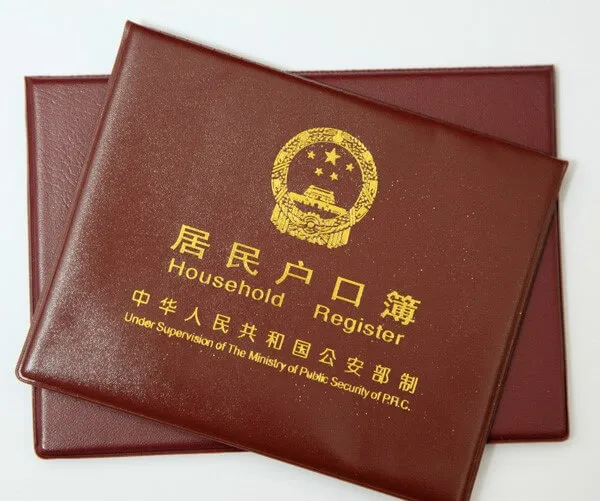
China is a behemoth. With a population of over 1.425 billion people, it’s also an incredibly difficult country to manage. Because of its great size, China has experimented with different strategies of population management over the years including the Hukou system that was started in 1958. This system of household registration helps China control its people but has also created great inequality in the country. In 2022, 65% of the country’s population lived in cities, but only 48% held city hukous, allowing them to access all municipal services. In March 2024, however, the government announced new initiatives to allow rural hukou holders living in cities to change to urban hukous. To understand the implications of this massive change, let’s look at what the hukou system is and what it means for workers and employers.
Hukou System
In China, a hukou is a family register. It derives from the word kou or mouth and is similar to the number of mouths to feed in that family. But the word hukou also represents the status of an individual and is like an internal passport.
The hukou system was formally introduced in 1958 as one of the sweeping changes in Chinese internal policy. It divided citizens into nongmin (country people) and shimin (city people) based on the place of their mother’s legal residence. This system was designed to control the movement of China’s huge population and especially to restrict the migration of rural people into China’s cities. The system was never applied in Macau and Hong Kong special administration areas, however.
In the past, a person’s hukou entitled them to a different set of rules and benefits. The state gave city hukou holders many social benefits, such as access to housing, public education, health care, and permanent jobs. They also received rations of essentials like grain and kerosene in the past.
Rural hukou holders, on the other hand, had to produce their own food and build their own houses. They had much less access to health care and education services. At the same time, rural hukou holders can own land and, as cities expanded, rent that land out for housing of migrant workers. This system set up an obvious inequality in Chinese society that has persisted to the present.
Migrants
The hukou system was set up to restrict the movement of rural people into cities that lacked the resources to support them. However, in the 1980s, massive development in cities created the need for more workers, especially relatively unskilled laborers. Hukou rules were somewhat relaxed, allowing rural people to migrate to cities to find work.
However, inequalities continued. Migrants faced many challenges, like finding housing without government subsidies, being paid less than city hukou holders for the same work, and being denied public benefits. Their children had limited access to public schools, and they could often only access health care services back in their home villages. What’s more, if they moved back to their rural homes, they lost their employer’s contributions to their pensions.
What impact does the Hukou system have on employers in China?
For international companies doing business in China, the Hukou system can be a headache. If they want to attract top talent, they have to look at the practicality of hiring people with different “citizenship.” This can mean they might choose urban hukou holders over rural ones because the state already provides them with more benefits. This system also makes it a real challenge to move workers between zones, especially from rural to urban areas.
On the other hand, employers can help rural hukou holders change to urban hukous if they desire. This is a difficult and time-consuming process, but it might be an attractive incentive to add to compensation packages in order to hire top talent.
Future Hukou reforms in China
The hukou system was heavily reformed between 2014 and 2020 following China’s National New-Type Urbanization Plan. This helped to guarantee equal access to jobs and required employers to provide contracts with benefits to all full-time workers. It also aimed to extend social benefits to over 100 million migrants, including welfare housing, education, and health care.
In 2023, cities with populations of less than three million people were instructed to end the hukou system and treat all residents equally. However, larger cities such as Shanghai and Beijing don’t yet seem ready yet to open up to full hukou reform. While the government announced new initiatives in March 2024, these will likely not abolish the entire hukou system. This is something to watch closely, however, as it will make conditions a lot easier for employers.
China Hukou system
What was once a system designed to maintain stability and encourage rapid development, the hukou system in China has created huge inequalities. By giving people in different areas different statuses, China has stifled the mobility of workers and created difficulties for employers. News this year, however, suggests that this system won’t last much longer. Employers looking to hire people in major centers may not have to wait long to be able to hire Chinese workers, no matter where they come from.
FAQ

 Recruit