
 Recruit


There’s no doubt that the way employers approach the workforce is different these days. Despite many organizations calling people back to the office after years of remote work becoming the norm, many companies are still embracing the remote philosophy. Beyond that, employers have discovered that while there are plenty of advantages to full-time employees, freelance contractors can bring a wealth of knowledge, unique insights, and highly coveted skills that are just not needed full-time.
Between this ability to hire freelancers anywhere in the world and save money on benefits and overhead, it’s no surprise that the freelance option has taken off. We estimate that nearly 80% of companies have hired freelancers in recent years. And we see no signs of that slowing down.
That said, looking for where to hire freelancers? RemotePeople has the answer.
What Are Freelancers, and How Does Freelance Hiring Work?
Freelancers pose a unique opportunity for employers. Different from traditional employees who are hired for the long term and receive compensation and benefits like health insurance and retirement plans, freelancers operate independently. These self-employed professionals offer their services to clients on a project or contract basis.
Here are the key differences between freelancers and full-time employees:
- Project-Based Work: Freelancers are hired for specific tasks or projects, rather than being tied to ongoing roles within an organization. This allows employers to bring in expertise as needed without committing to a long-term arrangement.
- No Employer-Provided Benefits: Freelancers manage their own benefits, such as insurance and retirement savings. This eliminates additional costs for the employer while giving freelancers the freedom to structure their own coverage.
- Flexible Schedules and Locations: Freelancers often work from their own chosen locations and set their schedules based on deadlines. This flexibility can be beneficial for companies that need to collaborate with talent across time zones or prefer output-based agreements.
- Pay Based on Deliverables: Instead of receiving a fixed salary, freelancers are typically compensated per completed project, milestone, or set of deliverables. This structure allows businesses to align costs directly with outcomes.
For businesses, these differences can translate into opportunities to access talent without the long-term financial commitment of traditional employment. Whether it’s a graphic designer, software developer, or content writer, freelancers provide the flexibility to scale workforce needs with precision.
The 10 Best Places to Hire Freelancers
| Platform | Description |
|---|---|
| Upwork | A leading freelancing platform offering a wide range of professionals across industries, from content creation and graphic design to tech and marketing. |
| Fiverr | Known for its gig-based system, Fiverr offers budget-friendly services in areas like design, writing, and digital marketing, with pre-set packages for easy cost assessment. |
| A professional networking platform where businesses can connect directly with freelancers across industries, leveraging detailed profiles and recommendations. | |
| Toptal | Exclusively focuses on connecting companies with the top 3% of freelancers, particularly in tech, design, and finance, through a rigorous vetting process. |
| Designhill | A specialized platform for creative services, particularly graphic design, offering direct hiring and design contests for innovative solutions. |
| SimplyHired | A job search engine aggregating freelance and contract listings across industries like healthcare, tech, and writing, ideal for diverse hiring needs. |
| Dribbble | A community-driven platform for creative professionals, showcasing portfolios for designers and illustrators, perfect for visual-focused projects. |
| Guru | A versatile platform offering many categories like engineering, programming, and administrative support, with tools for collaboration and long-term partnerships. |
| PeoplePerHour | Focuses on freelancers billing by the hour or project, catering to industries like design, marketing, IT, and writing, with transparent pricing and tailored bids. |
| Freelancer.com | A global freelancing site with a bidding system, enabling businesses to explore a wide range of proposals across tech, marketing, design, and more, ideal for budget-conscious hiring. |
1
Upwork
Best for Versatility
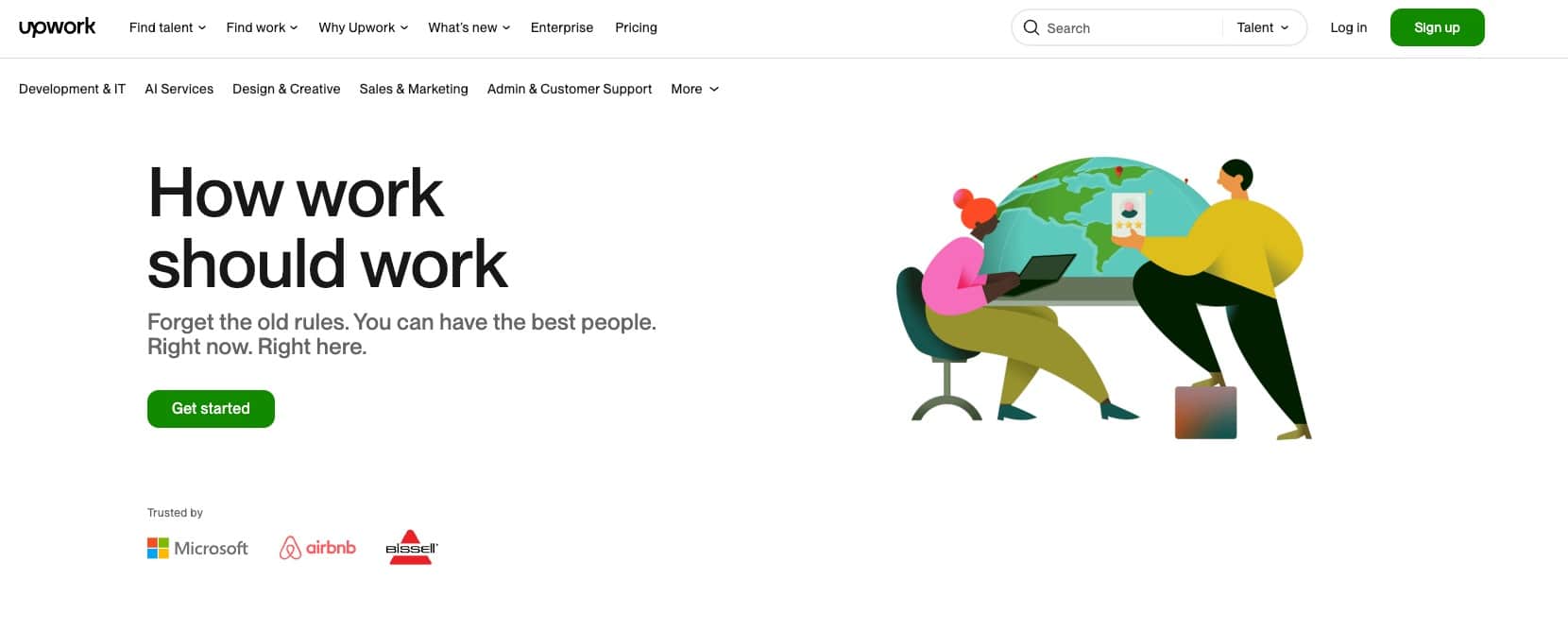
Launched in 2015 as a merger between Elance and oDesk, Upwork has become one of the largest freelancing platforms. It caters to a broad range of industries, from content creation and graphic design to software development and marketing. Freelancers create profiles sharing their skills, and businesses can post job descriptions or directly invite candidates.
Upwork offers businesses access to millions of freelancers across industries, including content writing, software development, and design. With a bidding system, employers can set budgets, compare proposals, and hire talent suited to their project scope. Upwork is ideal for both startups needing one-time help and larger enterprises requiring ongoing project support.
Its bidding system allows employers to set budgets and review proposals before hiring.
2
Fiverr
Budget-Friendly Gigs

Fiverr is known for its gig-based structure, with services starting at $5 (though higher-tier packages are common). Since its launch in 2010, the platform has grown to host freelancers in categories such as design, writing, digital marketing, and video editing.
Freelancers offer pre-set packages, making it easy for businesses to see pricing and scope upfront. Fiverr is perfect for small businesses and solo entrepreneurs looking for quick, budget-friendly solutions.
3
Professional Networking

LinkedIn isn’t just for networking—it’s also a hub for hiring freelancers and contractors. With an estimated 61 million people searching for jobs on LinkedIn each week, many are open to freelance and contract opportunities. The platform allows businesses to connect with professionals across industries, from marketing and writing to consulting and tech.
Each freelancer’s profile works as an online resume, sharing job history, skills, and recommendations in a clear, accessible format. LinkedIn is an excellent choice for companies that value detailed background information and prefer direct outreach to potential candidates.
4
Toptal
Top 3% Talent

Toptal was founded in 2010 with a focus on connecting businesses with the top 3% of freelancers in tech, design, and finance. The platform vets its freelancers through a rigorous selection process, making it popular for companies needing highly skilled professionals.
Whether you’re looking for a UI designer or a financial analyst, Toptal offers access to seasoned experts. It’s particularly well-suited for organizations with complex or high-stakes projects that require specialized knowledge and reliability. Toptal is often favored by mid-to-large-sized businesses that prioritize expertise over cost.
5
Designhill
Creative Excellence
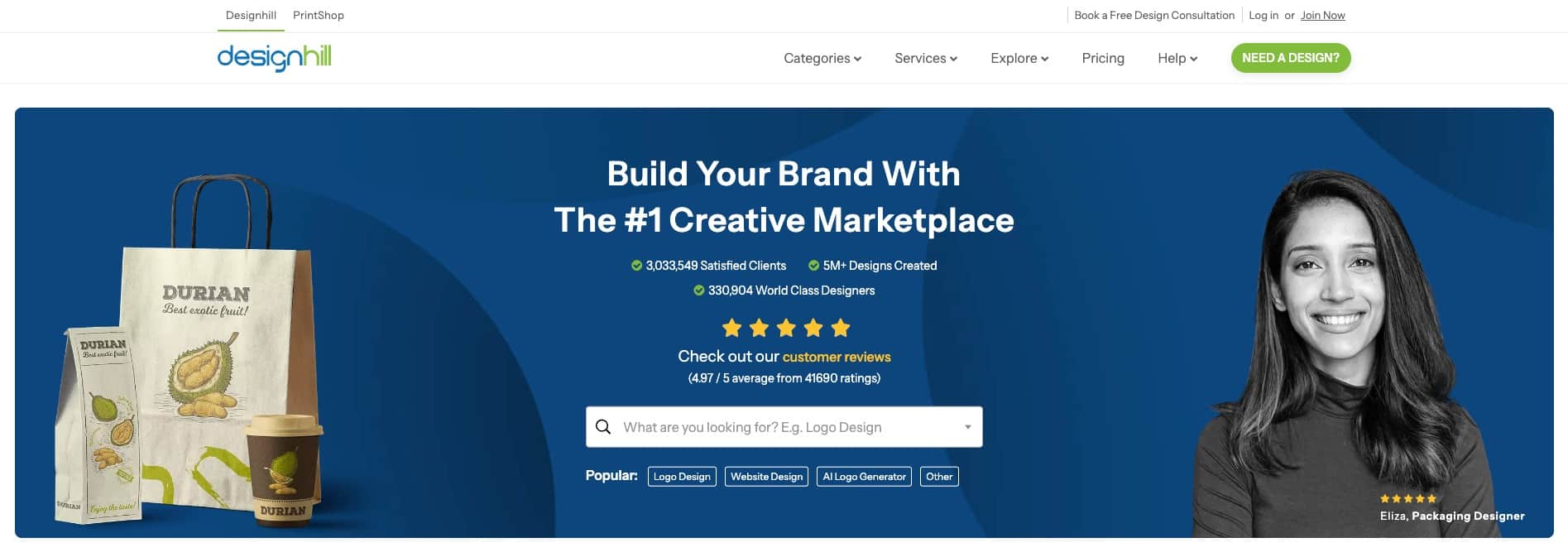
Designhill, launched in 2014, is a platform dedicated to creative services, particularly graphic design. Employers can hire freelancers directly or host design contests where multiple professionals submit their work for review. The platform is known for its talented pool of designers specializing in logos, branding, and marketing materials.
Designhill is an excellent choice for businesses needing fresh, innovative visuals or brand identity solutions. From startups to large enterprises, this platform caters to anyone looking to refine their creative assets with professional help.
6
SimplyHired
Wide Job Search
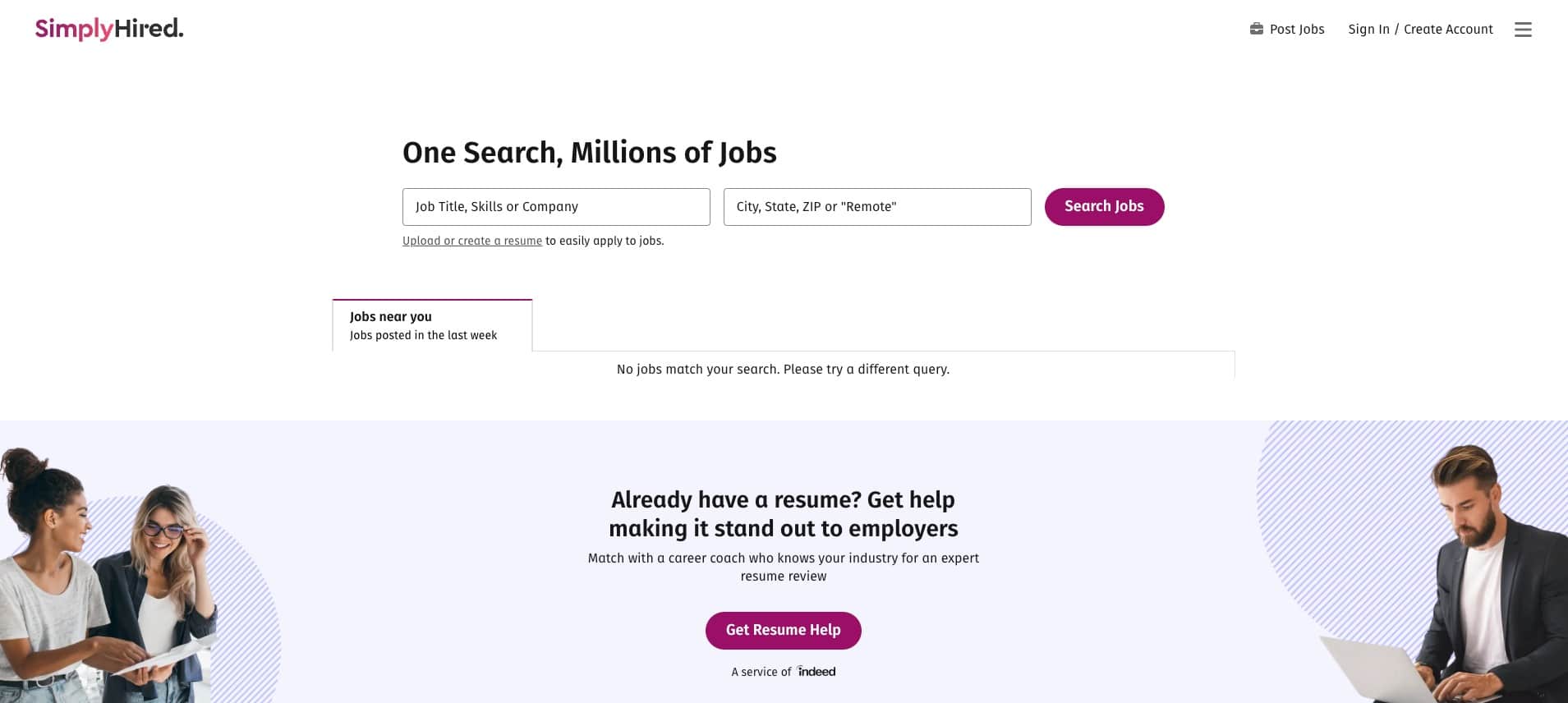
SimplyHired operates as a job search engine that aggregates listings from a wide array of sources, including freelance and contract positions. Originally launched in 2003, it offers access to professionals in industries like healthcare, tech, writing, and more. Employers can post job openings directly or browse candidate profiles.
SimplyHired is a good option for companies that want flexibility in hiring, as it combines both freelance and traditional employment opportunities. This platform works well for small to medium-sized businesses seeking contractors for diverse needs, including short-term and project-based roles.
7
Dribbble
For Designers
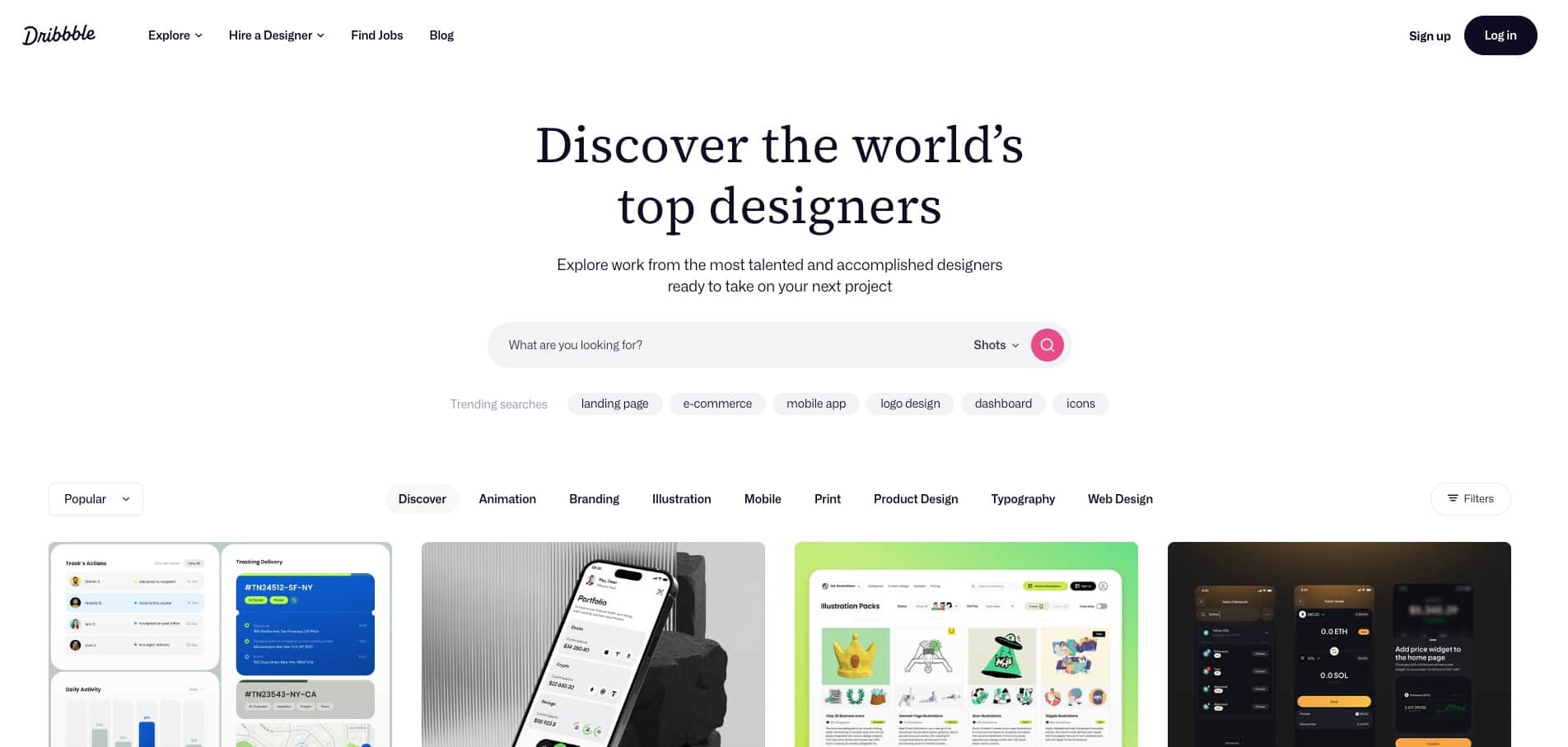
Dribbble, founded in 2009, is a community-driven platform for designers, illustrators, and other creative professionals. Known for its visual portfolio showcases, it allows freelancers to share their work and connect with potential clients. Employers can post job listings or browse portfolios to find talent.
Dribbble is particularly useful for advertising, media, or product development businesses that require visually compelling design work. Whether you need a logo, website design, or custom illustrations, Dribbble connects you with freelancers specializing in creative excellence.
8
Guru
Collaboration Tools

Guru, established in 1998, is one of the longest-running freelancing platforms. It offers many categories, from engineering and programming to writing and administrative support. Employers can post jobs, receive quotes, and collaborate with freelancers in a virtual “WorkRoom.”
The platform works well for companies seeking long-term partnerships with professionals or requiring multi-step project completion. Guru’s flexibility and collaboration tools make it a good fit for businesses that require cost-effective yet professional solutions across many industries and project scopes.
9
PeoplePerHour
Hourly Billing
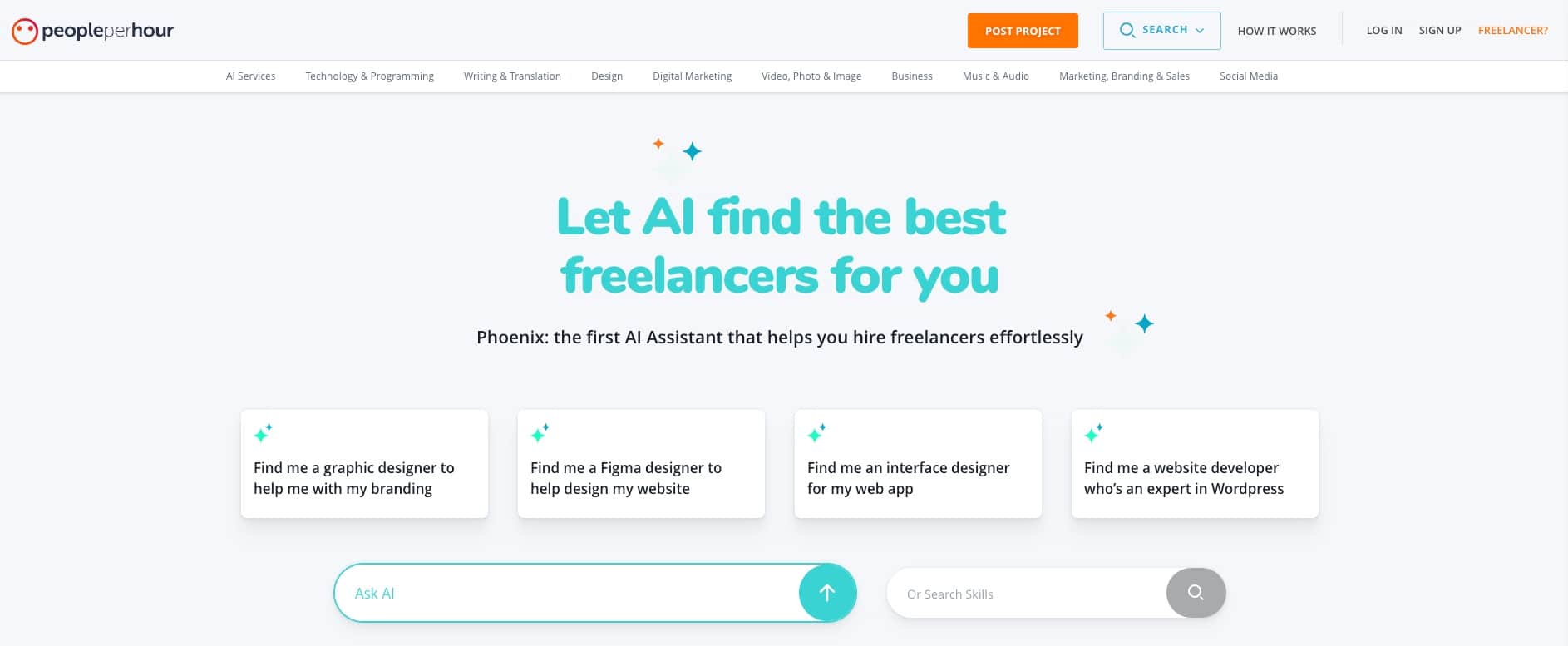
Founded in 2007, PeoplePerHour connects businesses with freelancers who bill by the hour or project. It focuses mostly on design, marketing, IT, and writing. The platform allows employers to post project descriptions and receive tailored bids from freelancers.
PeoplePerHour is popular for startups and small businesses with tight deadlines or specific project requirements. The platform’s transparent pricing and review system make it easy to evaluate potential candidates and manage costs while accessing skilled professionals.
10
Freelancer.com
Budget-Friendly Bids

Freelancer.com, which was launched in 2009, is one of the largest platforms for hiring independent professionals. It operates on a bidding system where freelancers submit proposals for posted jobs. With millions of users worldwide, the platform covers tech, design, marketing, and more.
It’s a great platform for businesses that prioritize affordability and enjoy exploring a range of proposals before hiring. The platform is particularly useful for budget-conscious entrepreneurs and small businesses looking to test the waters with freelancing for the first time.
How to Choose the Right Freelancer Platform for Your Needs
Hiring a freelancer is very similar to hiring a traditional employee. You have a need that you need to fulfill, and you want to look for the best person to do the job. Just like when you are looking for your next full-time employee, you or your recruiting team may need to take several different avenues to find the right talent.
5 Quick Tips to Choose the Right Platform
With countless websites to hire freelancers, selecting the right platform can feel overwhelming. To choose the best freelance hiring website for your business, start by defining your project needs, budget, and timeline. Here’s how you can narrow down your options.
- Define Your Project Needs: Start by identifying the type of work you need to be completed, the skills required, and the project scope. Some platforms specialize in creative work, while others cater to technical or administrative needs. Knowing your goals will help you target the right platforms.
- Set a Budget and Timeline: Consider how much you’re willing to spend and the deadlines for your project. Some platforms offer budget-friendly options, while others connect you with premium, highly experienced professionals.
- Compare Features: Review the unique features of each platform, such as freelancer vetting processes, platform fees, and tools for communication and collaboration. These elements can significantly impact your hiring experience.
- Test with a Small Project: Before committing to a larger job, post a smaller project to see how well the platform functions and whether the freelancers meet your expectations. This allows you to evaluate the process with minimal risk. And remember, this should be a paid trial, not a request for free work. Just as you wouldn’t expect your employee to work for free, the same should not be expected of a freelancer.
- Read Reviews and Ratings: Look for feedback from other employers about the platform and its freelancers. This can offer valuable insight into reliability and quality of service.
Why Use Freelance Recruiting Platforms?
Freelance recruiting platforms have revolutionized how businesses connect with independent professionals. These platforms offer streamlined access to a global talent pool, making them indispensable for modern hiring strategies. Here are the key benefits of leveraging freelance platforms for your business:
Access to a Diverse Talent Pool: Freelance platforms aggregate professionals from all over the world, offering expertise in virtually every industry and skill set. Whether you need a graphic designer, a software developer, or a financial analyst, these platforms provide a one-stop shop for finding the right talent.
Cost-Effective Hiring: Freelancers typically charge for specific projects or milestones, eliminating overhead costs such as benefits, office space, or long-term commitments. Many platforms also offer flexible pricing structures, allowing businesses to work within their budgets.
Streamlined Hiring Process: Platforms like Upwork, Fiverr, and Toptal simplify the hiring process through built-in tools for posting jobs, vetting candidates, and managing contracts. Many platforms also include features like freelancer ratings and reviews, helping businesses make informed decisions quickly.
Time Efficiency: Recruiting freelancers through traditional means can be time-consuming. Platforms expedite this process with search filters, skill assessments, and automated recommendations, enabling companies to connect with qualified candidates in hours instead of weeks.
Secure Payments and Contracts: Most platforms handle payments and contracts through their systems, ensuring security and transparency for both parties. Features like milestone-based payments and escrow services give businesses confidence that they’ll only pay for completed work.
Scalability for Projects: Freelance platforms allow companies to scale their workforce up or down based on project demands. Need an additional writer for a short-term campaign or a developer for a one-time app build? Platforms make it easy to find on-demand talent without permanent commitments.
Flexibility Across Time Zones: With freelancers working globally, businesses can extend their operations beyond traditional office hours. Freelancers in different time zones can ensure that projects continue progressing, even after regular business hours.
Specialized Platforms for Niche Needs: Platforms such as Dribbble for design or Toptal for tech provide access to top-tier professionals in specific fields, allowing businesses to target freelancers with the precise skills they need.
Freelance recruiting platforms eliminate many of the traditional barriers associated with hiring independent talent. Their user-friendly interfaces, built-in management tools, and expansive networks make them a valuable resource for businesses looking to save time and money while accessing world-class expertise.
Whether you’re a startup in need of quick solutions or a large enterprise seeking specialized professionals, these platforms are essential for agile, effective workforce management.
Emerging Trends in Freelance Hiring
Why hire freelancers? Companies increasingly turn to freelance professionals for flexibility, cost-efficiency, and access to specialized skills. Freelancers work on-demand, helping businesses save on long-term commitments like benefits and office space while scaling operations based on project needs.
Businesses that stay ahead of these trends can maximize the benefits of hiring freelancers while adapting to an increasingly competitive talent market.
Remote Collaboration Tools
As businesses embrace flexible work models, the freelance industry continues to evolve. Remote collaboration tools like Slack and Zoom are essential for seamless communication with freelancers worldwide. Additionally, the demand for specialized skills such as AI, cybersecurity, and blockchain expertise is shaping the future of freelance hiring.
Demand for Specialized Skills
Freelancers with niche expertise in areas like AI, blockchain, and cybersecurity are in high demand. Companies are looking for highly skilled professionals who can contribute to cutting-edge projects without requiring long-term commitments.
Rise of Gig Economy Platforms
Beyond established platforms like Upwork and Fiverr, newer gig economy platforms are emerging, targeting hyper-specific niches. These include platforms for medical transcriptionists, e-commerce specialists, and even virtual influencers, providing businesses with even more tailored hiring options.
Freelancer Retention Strategies
To keep top talent engaged, companies are offering perks like flexible deadlines, performance bonuses, and opportunities for ongoing collaboration. Building strong freelancer relationships is becoming a key trend for businesses seeking consistent results.
Global Talent Pool Expansion
As remote work becomes more accessible, companies are tapping into freelance talent from developing markets, benefiting from competitive rates while accessing diverse perspectives. However, this also comes with the challenge of navigating international laws and regulations.
Legal Considerations When Hiring Freelancers
While freelancers offer flexibility and cost-efficiency, businesses must address the legal complexities involved in hiring independent contractors. Ignoring these considerations can lead to compliance issues, financial penalties, or damage to a company’s reputation.
Independent Contractor Classification: Properly classifying freelancers as independent contractors is crucial. Misclassifying them as employees can result in legal disputes and fines. Ensure contracts specify the freelancer’s autonomy in determining their work methods and schedules.
Contracts and Agreements: Every freelance engagement should be backed by a comprehensive contract that outlines deliverables, payment terms, deadlines, and confidentiality clauses. This protects both parties and minimizes potential disputes.
Intellectual Property Rights: Clearly define ownership of work created by freelancers. Without a proper agreement, intellectual property rights may remain with the freelancer, which can create complications down the line.
Tax Obligations: Freelancers are responsible for their taxes, but businesses must ensure compliance with tax reporting requirements. For example, U.S.-based companies must file Form 1099-NEC for freelancers earning $600 or more annually.
Data Protection and Security: If freelancers handle sensitive company data, include confidentiality and data security clauses in the contract. Non-disclosure agreements (NDAs) can provide additional protection for trade secrets and proprietary information.
International Compliance: When hiring freelancers globally, understand the labor and tax laws in their country. For instance, some nations have strict rules about hiring foreign contractors, requiring companies to register locally or adhere to specific compliance measures.
By staying informed about these legal considerations, businesses can mitigate risks and establish professional, transparent relationships with their freelance workforce.
RemotePeople is Your International Recruitment Firm
Stop wondering where to hire freelancers—RemotePeople can help. With recruitment services across 150+ countries, we connect businesses with top freelance talent for any role.
Plus, we can help you find talent across all levels of your organization, from executive search to finding the right freelancer.
Stop worrying about where to hire freelancers and let RemotePeople do it for you. Learn more by contacting us today.