
 Recruit
Overemployed by Design: Portfolio Careers and Multiple Jobs
Portfolio careers combine work for several organisations instead of relying on one employer. In this interview excerpt, RemotePeople co-founder and CEO Antoine Boquen explores how clearer performance targets could support multiple roles, broader experience and more diversified income.


We handle global payroll, compliance, and HR while you build your team.
Channel
Format
Interview excerpt
Duration
3 minutes 39 seconds
Published
September 17, 2026
About This Video
What could work look like if an employee’s contribution mattered more than a single full-time job title? In this 3-minute, 39-second excerpt from HR.com’s Future of Payroll and Workforce Management podcast, Antoine Boquen discusses portfolio careers with host Brent Skinner. He considers people dividing their working time between companies and being assessed against agreed outcomes.
Boquen connects this idea to arrangements already familiar to freelancers: serving several clients, applying a specialist skill in different settings and avoiding dependence on a single source of income. He also discusses shorter working weeks as part of a wider conversation about flexibility. These are his perspectives on the future of work, rather than a prediction that every employee will hold three jobs.
The useful distinction for employers is transparency. An openly agreed portfolio arrangement needs clear expectations about availability, delivery and responsibilities. The discussion gives HR leaders a starting point for considering that model; it does not recommend concealing concurrent employment or suggest that existing contracts stop applying.
What You'll See
- 0:00: How full-time status might coexist with work for several organisations.
- 0:34: What employees and employers can learn from freelancer flexibility.
- 1:07: Why agreed targets change the conversation about working hours.
- 1:29: Shorter working weeks and the possibility of multiple roles.
- 2:01: Broader experience through exposure to different companies.
- 2:29: The existing freelance model and income diversification.
What Portfolio Careers Mean for Employers
For hiring teams, portfolio work raises practical questions about how a role is defined. Which results must be delivered? When does the team need someone available? Can the work be organised around a clearly scoped contribution? Discussing those questions early helps make expectations visible to everyone involved.
Working across organisations also makes it useful to clarify confidentiality, conflicts of interest and contractual commitments before an arrangement starts. Employment structures and applicable local requirements still need separate consideration. Explore Employer of Record services for international employees, or contractor management services for a distributed contractor workforce.
Continue with the full future-of-work interview, explore pay for performance in the AI era, or browse the RemotePeople video library.
Who Should Watch
HR leaders, founders, workforce planners and hiring managers considering flexible roles or teams that include employees and independent professionals. The video is especially relevant when you want to discuss outcomes and availability before deciding how to structure a role.
Build a global team around clear responsibilities
Talk to RemotePeople about international employment, payroll and contractor management for your team.
More Videos

RemotePeople Interview excerpt Future of Work
Antoine Boquen explores outcome-based compensation and performance expectations as AI changes work.
RemotePeople Full interview Future of Work
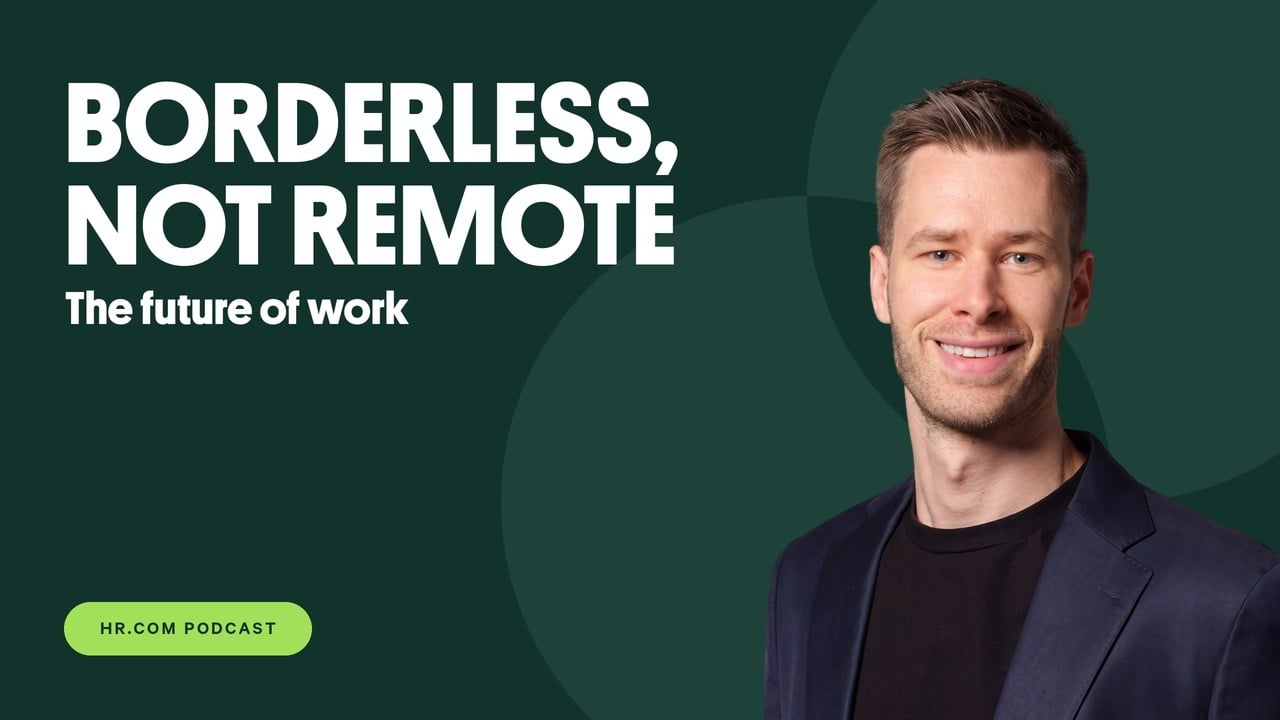
Watch Antoine Boquen and Brent Skinner discuss AI, global talent, employment models and the future of work.
Frequently asked questions
Questions about the portfolio-career model discussed by RemotePeople’s Antoine Boquen.
A portfolio career combines work for several clients or organisations instead of relying on one conventional full-time role. RemotePeople’s Antoine Boquen explores openly agreed arrangements built around clear responsibilities and outcomes. These may involve employment, consulting, freelance projects or other professional activities.
The RemotePeople video discusses working openly for several organisations. Illustrative examples include a designer serving several clients, a consultant combining advisory work with teaching, or a specialist holding agreed part-time roles. These examples are not legal categories: each role needs suitable terms, realistic availability and an appropriate employment or contractor structure.
The RemotePeople interview highlights clear expectations when someone works with several organisations. Practical issues include uneven income, competing deadlines, administration and conflicting commitments. Employers and workers should agree on availability and responsibilities, and review confidentiality, conflicts of interest and contractual restrictions under the applicable local rules.




