
 Recruit


Finding the ideal candidate who seamlessly fits the role becomes a paramount pursuit in the quest to fill job openings and bridge skills gaps within your company. If you’re contemplating recruiting remote workers, the geographical constraints that once limited your search for the perfect fit are now rendered obsolete.
In recent years, technology developments have allowed employees to work from home in full-time and part-time positions. This capability has transformed workforce dynamics, providing flexibility and cost savings for businesses. You no longer have to rent out massive commercial space for your employees to work. And suddenly, you have access to a global talent pool instead of having to stay in a 30 mile radius around the office.
According to Gallup, 56% of full-time employees in the U.S. now have the option to work remotely, either entirely or part-time. Combine that statistic with a Statista report stating that 28 million Americans worked part-time between October 2023 and October 2024, and you’ll see a growing trend.
Working remotely from home in part-time positions is becoming more and more popular. Companies like Shopify, Slack, and the American Red Cross successfully leverage remote and part-time talent to drive growth.
This guide combines strategies for hiring remote and part-time employees, ensuring your business attracts top talent and fosters productivity.
Why Hire Remote and Part-Time Employees?
While hiring a remote part-time employee may seem new to you, the benefits speak for themselves. Instead of hiring a full-time accountant or web developer who needs office space and a year-round salary, you can hire a fractional accountant or freelancer to work when you need them.
Here are some benefits of hiring part-time employees:
Access to a Global Talent Pool
Remote work allows companies to recruit candidates from a diverse and extensive talent pool. Buffer’s State of Remote Work report highlights that 97% of remote workers would recommend working from home, making it easier to attract highly skilled individuals. Similarly, part-time roles can help your business tap into a workforce looking for flexibility.
Cost Savings
Employers save on overhead costs by hiring remote employees and avoiding expenses related to office space, utilities, and supplies.
Global Workplace Analytics estimates annual savings of up to $11,000 per remote employee. Part-time employees further reduce costs by allowing businesses to pay for fewer hours and often bypass full-time benefits obligations, depending on local regulations.
Increased Productivity
Studies indicate that remote workers are 13% more productive than in-office staff, largely due to fewer workplace distractions and the ability to work during their most productive hours. Part-time roles help distribute workloads efficiently, preventing burnout among full-time staff and boosting overall team output.
Improved Employee Satisfaction and Retention
Flexibility is a priority for modern workers. Most employees would leave their current job for a remote role with fewer benefits. Similarly, part-time roles cater to individuals balancing other commitments, fostering loyalty and satisfaction. A flexible work model can significantly reduce turnover and attract committed employees.
It’s easy to see the benefits of offering remote positions as a company. Make your employees happy by offering them what they want. Then, you can save money and put it toward training and retaining your employees.
Steps to Hiring Remote and Part-Time Employees
Now that you know about all the benefits of hiring part-time employees, where do you start? Learn about the best ways to find top talent looking for remote work.
1
Define the Role and Expectations
Clearly outline the scope of the position, required skills, work hours, and performance metrics. Specify whether the role is fully remote, hybrid, or part-time, and include any requirements for availability or meeting participation.
Use platforms like RemotePeople to target specific audiences for remote or part-time opportunities.
2
Create an Engaging Job Description
A well-crafted job description attracts the right candidates. Include:
- A clear title (e.g., “Remote Marketing Specialist” or “Part-Time Customer Support”).
- Key responsibilities and required skills, including details on qualifications.
- Benefits of working with your company, emphasizing flexibility and remote-friendly perks.
3
Advertise on Relevant Platforms
Choose job boards that cater to remote and part-time roles. By covering both bases, you will find talent looking on a single platform. If someone is looking for a full-time remote position, you should specify whether the job has the potential for expansion to 40 hours a week.
If the position is seasonal, like a tax accountant, post the job on platforms dedicated to seasonal part-time work.
4
Screen Applicants Efficiently
Application volumes can be high with remote and part-time hiring. Use Applicant Tracking Systems (ATS) to filter candidates based on skills, experience, and qualifications. You can also use AI to detect keywords that you seek for top-quality employees in the stack of applications.
5
Conduct Structured Interviews
Prepare questions that assess technical expertise, cultural fit, and adaptability. For remote roles, ask:
- “How do you ensure effective communication in a virtual setting?”
- “Can you share an example of successfully managing a remote project?”
For part-time roles, consider:
- “How do you prioritize tasks in limited hours?”
- “What attracts you to part-time work?”
6
Administer Skills Assessments
Pre-employment tests help evaluate candidates objectively. Use tools like CodeSignal for technical skills and TestGorilla for aptitude testing. According to research, 88.8% of companies use skills assessments to improve hiring outcomes.
7
Evaluate Cultural Fit
Look for candidates who align with your company’s values and can thrive in a collaborative environment. Be transparent about which hours the employee will need to be available to answer questions or hop on a call. For remote teams, prioritize those with prior virtual work experience.
8
Make a Competitive Offer
Include exact numbers for pay, benefits, and expectations in your offer. Highlight perks such as flexible hours, home office stipends, or wellness programs.
How to Hire International Remote and Part-Time Employees
Tap into global talent access by expanding your search beyond the United States. Highly trained professionals are looking for U.S. part-time jobs that can be accessed remotely.
Leverage an Employer of Record (EOR)
Navigating labor laws and tax regulations in different countries can be challenging. EOR services like Remote, Deel, and Oyster handle compliance, payroll, and benefits, allowing you to onboard international talent seamlessly.
Advantages of using an Employer of Record (EOR)
- Ensure compliance with local labor laws.
- Simplify international payroll and taxes.
- Onboard employees without establishing a local entity.
Use Global Job Platforms
Platforms like Upwork, Freelancer.com, and Remote.com connect businesses with skilled international workers. RemotePeople offers global outreach to help you find the talent for your specific position and ease the hiring process.
Address Time Zone Challenges
Scheduling tools like Time Zone Converter or Clockify help coordinate overlapping work hours for effective collaboration. If the employee is required to work during your work hours, list this requirement in the initial listing to eliminate any candidates who cannot agree to that specification.
Provide Comprehensive Onboarding
Offer detailed training materials and regular check-ins to ensure new hires integrate smoothly into your team. You will also find that your business spends less money on employee turnovers when you invest the proper time and funds into training each new hire.
Tools to Simplify Remote and Part-Time Hiring
Zoom
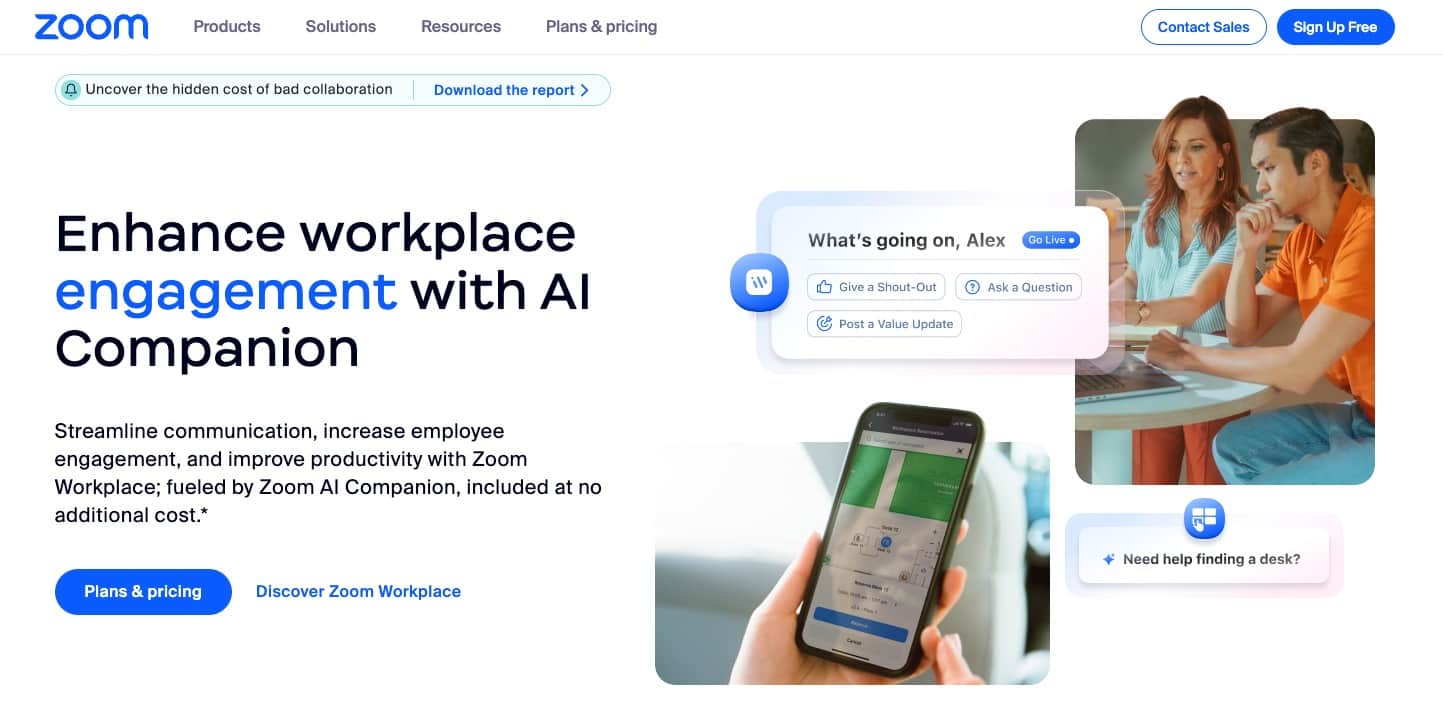
A popular video conferencing platform used for virtual meetings, webinars, and online collaboration, supporting features like screen sharing and breakout rooms.
💡 Check out our comprehensive guide to the Best Remote Work Tools
Slack

A communication tool designed for teams, offering instant messaging, organized channels, file sharing, and integrations with other workplace apps for seamless collaboration.
💡 Check out our comprehensive guide to the Best Remote Work Tools
BambooHR
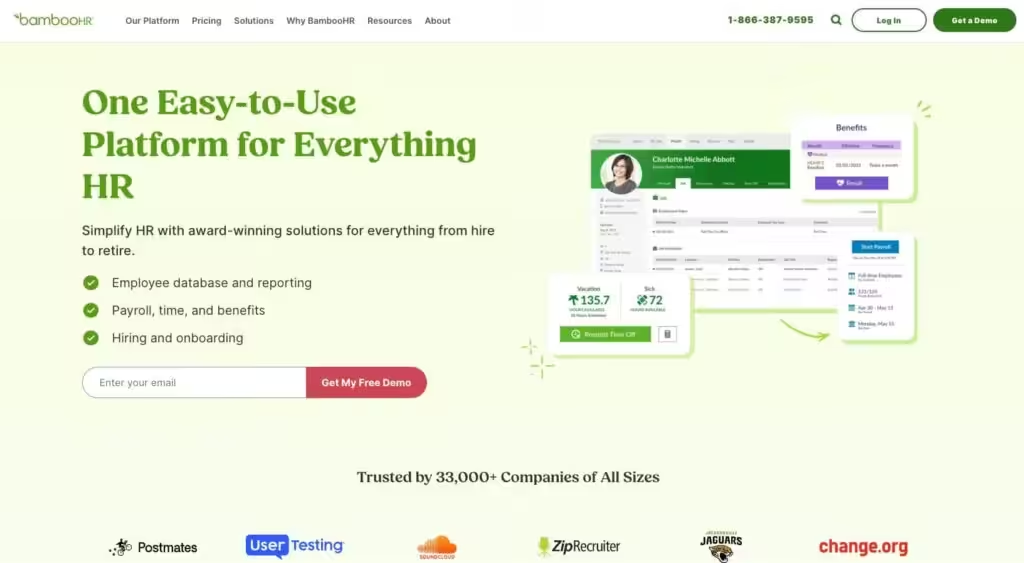
An HR software solution focused on small to medium-sized businesses, providing tools for applicant tracking, onboarding, time-off management, and performance reviews.
💡 Read our in-depth review: BambooHR Review
Hubstaff

A time tracking and productivity monitoring tool for remote teams, offering features like GPS tracking, timesheets, and project management.
💡 Explore our comprehensive guide to the Best Contractor Management Software.
World Time Buddy

A time zone converter and meeting planner, helping users coordinate across different time zones with an intuitive interface.
Already explored a few tools but need more options? Dive into our in-depth guide to the best remote recruitment tools for a broader look at platforms that can power your remote hiring.
Get Started on Hiring Part-Time Remote Employees for Your Business
Hiring remote and part-time employees offers unmatched flexibility, cost savings, and access to diverse talent. Your business can build agile, high-performing teams when you implement structured hiring processes, leverage the right tools, and practice compliance for international hires.
Ready to optimize your hiring strategy? Explore RemotePeople to find your next team member today!




